This article explores the vital aspects of getting new teeth through dental implants. Dental implants offer a formidable solution to tooth loss, providing both aesthetic and functional benefits. This comprehensive guide will cover essential details like costs, supplier comparisons, and the process to obtain affordable dental care solutions in various countries.
Dental implants have revolutionized oral healthcare, providing a practical and aesthetically pleasing solution for those in need of new teeth. As our understanding and technological capability in dental care advances, implants have become increasingly sophisticated, offering improved comfort, durability, and natural aesthetics. Whether due to decay, injury, or illness, tooth loss can significantly impact quality of life, and dental implants serve as a promising alternative to traditional dentures or bridges. This guide will delve deeper into the various aspects of dental implants, providing an extensive look at their function, benefits, and the procedures associated with them.
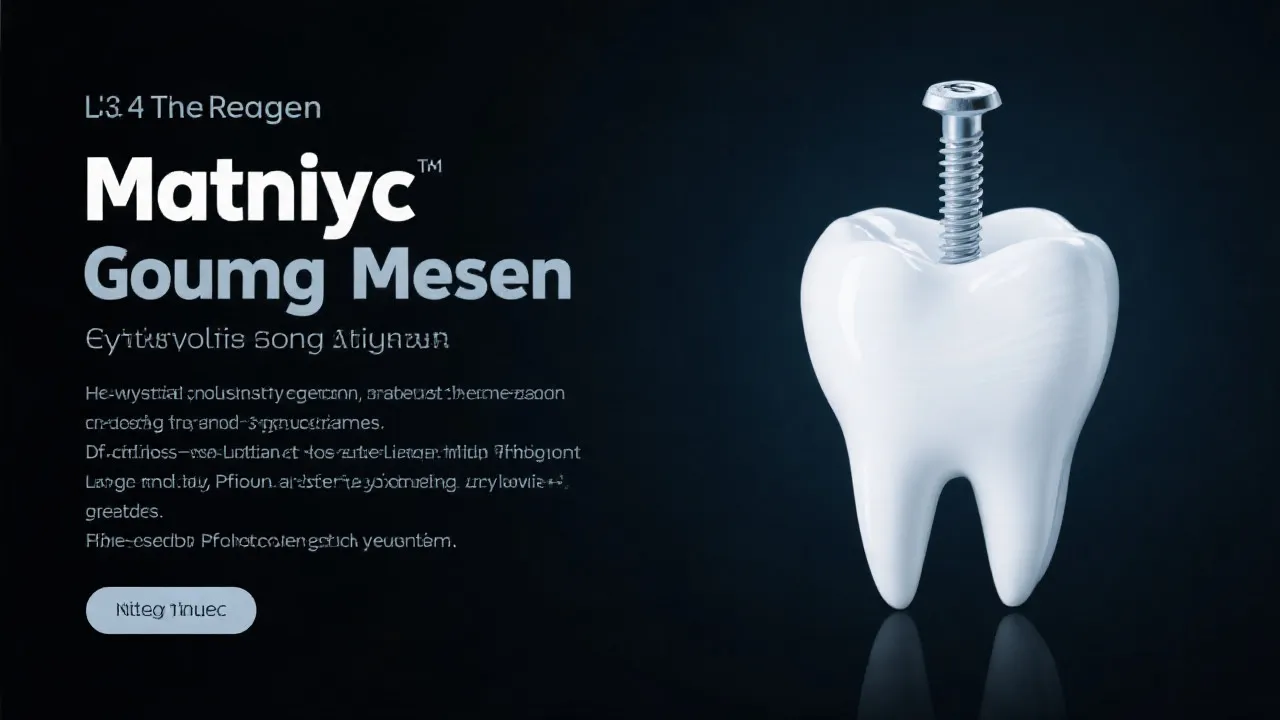
At their core, dental implants are titanium posts surgically positioned into the jawbone beneath the gumline. These posts serve as a robust base for mounting replacement teeth, effectively mimicking the root structure of natural teeth. Unlike dentures, which can slip or shift while speaking or eating, implants are fixed in place, providing stability and confidence for patients. Furthermore, because they fuse with the jawbone through a process called osseointegration, they not only secure the replacement teeth but also aid in maintaining jaw health and preventing bone loss. This process is crucial, as jawbone deterioration can occur after tooth loss, leading to further dental issues and changes in facial structure.
Dental implants can be used to support individual crowns, bridges, or even full dentures, thus accommodating a wide range of dental needs. The versatility of implants makes them a preferred choice among dental professionals and patients alike. In addition to their functional benefits, the aesthetic advantages are significant; implants look and feel like natural teeth, which can boost self-esteem and improve oral health.
Dental implants come with an array of benefits that can greatly enhance the quality of life for individuals suffering from tooth loss:
Many individuals wonder, "How can I find affordable solutions for new teeth, such as dental implants?" Fortunately, there are several strategies one can employ to find economical options:
Below is a summary table illustrating the cost range of dental implants across various English-speaking countries:
| Country | Currency | Price Range |
|---|---|---|
| United States | USD | $3,000 - $6,000 |
| United Kingdom | GBP | £2,000 - £2,500 |
| Australia | AUD | AU$3,500 - AU$6,500 |
| Canada | CAD | CA$3,000 - CA$5,500 |
These costs may include the surgical placement of the implant, the abutment (the connector between the implant and the crown), and the crown itself. However, it's essential to consider that additional procedures such as bone grafting or sinus augmentation may incur extra costs. Always consult with your dental professional to gain a comprehensive understanding of all potential costs associated with your treatment plan.
When considering new teeth through implants, understanding your options is essential. Here is a comparative table of several websites offering valuable information on dental implants:
| Website | Features |
|---|---|
| Dental Views | Offers low-cost implant solutions focusing on the benefits, types, and costs involved. |
| Atlantic Dental Group | Includes details on an array of dental services, scheduling options, and professional insights. |
| DentaVacation | Specializes in dental tourism, aiding in cost comparisons and travel arrangements. |
Each of these resources can provide insights into different aspects of dental implants, including costs, overall procedure timelines, and available technology. Thoroughly reviewing these websites can aid patients in making informed decisions and comparing options effectively. For example, dental tourism sites may highlight packages that include travel and accommodation for those considering overseas treatments, presenting a convenient solution for essential dental work.
The dental implant process is typically broken down into several stages, each crucial for the successful integration of the implant and the overall outcome. Understanding these stages can help patients prepare for what lies ahead:
The journey begins with an initial consultation where your dental professional will assess your oral health, discuss your medical history, and determine your suitability for implants. X-rays or 3D imaging may be taken to evaluate the bone structure and the specific areas where implants will be placed.
Once deemed a suitable candidate, a detailed treatment plan is created. This plan considers the number of implants required, timing, and any supplementary procedures needed, such as bone grafting, if there is insufficient bone density.
The placement of the dental implant is usually performed under local anesthesia. During this procedure, the titanium post is surgically inserted into the jawbone. After placement, a healing period is necessary to allow for osseointegration, during which the bone fuses with the implant.
Once healed, a minor surgery is performed to attach an abutment to the implant. The abutment is the connector that holds the crown in place. Following this, additional healing time is needed to allow the gum tissue to heal around the abutment.
After the gums have healed, the final step involves placing the custom-made crown on the abutment. This crown is designed to match the appearance of surrounding teeth, ensuring a natural look and feel.
After the crowns are placed, routine follow-up visits are essential for monitoring the implants and ensuring they are functioning correctly. This may involve regular check-ups and cleaning appointments to maintain oral health.
Proper care and maintenance are pivotal for ensuring the longevity of dental implants. Here are some tips to help maintain your implants effectively:
As with any surgical procedure, there are risks associated with dental implants. Although rare, it is important for patients to be aware of potential complications:
Patients are encouraged to openly discuss any concerns or questions about risks and success rates with their dental team. Understanding the patients' medical history, lifestyle, and expectations are all essential components in mitigating these risks.
Navigating the world of dental implants might seem daunting at first, but with the right resources and guidance, you can find solutions that fit your budget and meet your health needs. Exploring options within the realm of dental schools, insurance, medical tourism, and flexible payment plans can uncover pathways to more affordable care. Additionally, keeping abreast of the latest industry standards and methods guarantees not only a pragmatic choice but also a healthier future.
Dental implants can significantly improve quality of life by restoring functionality and aesthetics to one’s smile. Investing time to research, follow up, and maintain these implants can lead to long-term satisfaction and oral health benefits. It’s essential to communicate openly with dental professionals throughout this journey, ensuring that each step taken is well-informed and tailored to individual needs.
Disclaimer: The above information comes from online resources, and the data is as of October 2023. Dental implant prices are for reference only and may vary by region, clinic, and doctor.
Reference Links: Dental Views, Atlantic Dental Group, DentaVacation.
Exploring Samsung Phone Deals and Offers

Unveiling the Top Samsung Phone Deals

Exploring Samsung Phone Deals

Unveiling Top Samsung Phone Offers

The Top Samsung Phone Deals

Discovering Samsung Phone Deals

Exploring Samsung Phone Deals

Unveiling Samsung Phone Deals

Navigating Samsung Phone Deals

Finding the Right Solution for New Teeth
Discovering the very effective and affordable way to get new teeth can be important for many individuals. The article explores various dental solutions available, focusing on dental implants, and provides a comprehensive guide to cost-effective treatments in English-speaking countries. Individuals seeking "I need new teeth" can find insights into dental implant options, pricing, and accessible resources.

I Need New Teeth: Exploring Options and Costs
This guide explores options for those seeking new teeth, focusing on dental implants as a viable solution. Dental health is paramount, and for those requiring new teeth, dental implants provide a durable and aesthetically pleasing choice. We delve into cost variations across English-speaking and other countries, providing a comprehensive comparison of dental treatment options and costs.
Affordable Solutions for New Teeth
This comprehensive guide explores various options for obtaining new teeth, particularly focusing on dental implants. With advancements in dental technology, getting new teeth has become more accessible and cost-effective. This article examines different dental service providers, cost ranges, and practical steps to achieve affordable dental treatment in nearby regions.
Understanding the Need for New Teeth
Navigating the world of dental implants for new teeth involves discovering affordable solutions and understanding various options. In today's fast-paced society, oral health remains crucial, with millions seeking effective ways to replace lost teeth. Access to advanced dental services is now more feasible than ever, catering to diverse needs through innovative treatments and cost-effective strategies.
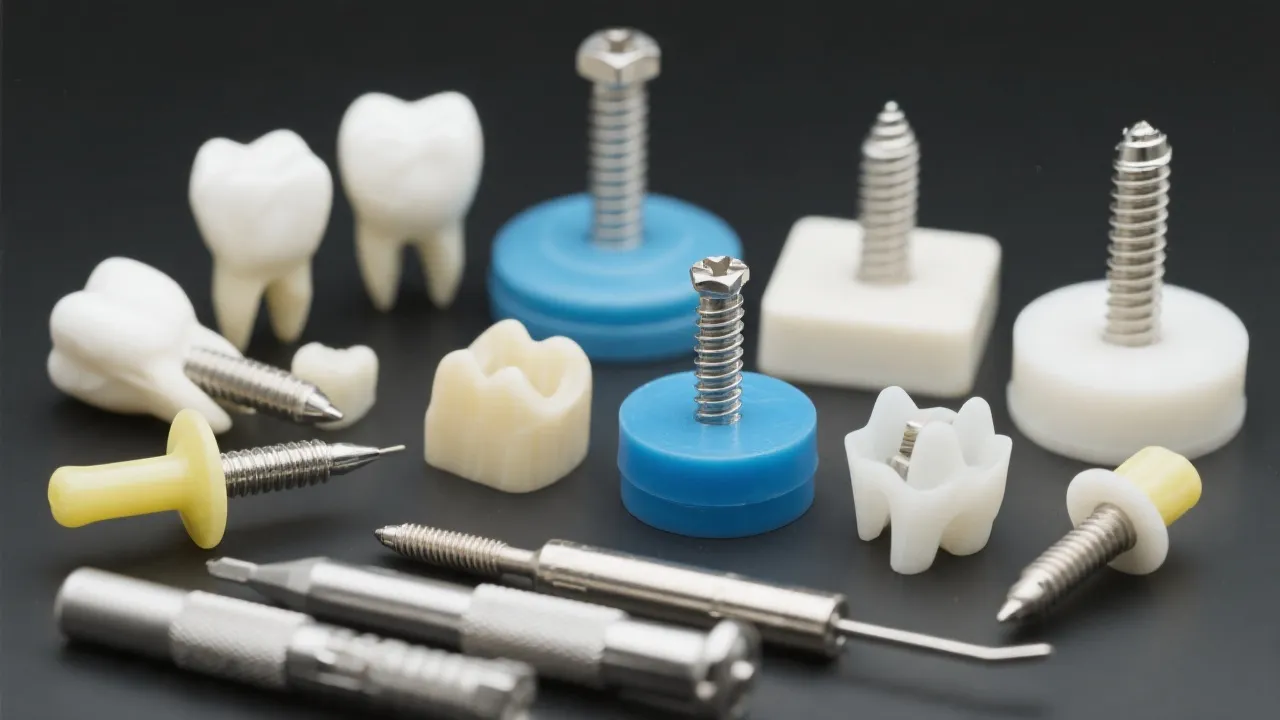
Options for Getting New Teeth
This article explores various paths available for those seeking new teeth, emphasizing dental implants as a primary option due to their long-lasting and natural appearance. Teeth replacement has become essential for those who suffer from tooth loss due to age, accidents, or health conditions. Dental implants offer a substantial solution, addressing both aesthetic and functional concerns.

Affordable Solutions for New Teeth
This guide explores the various options available for individuals needing new teeth, focusing on low-cost dental implants. The keyword "I Need New Teeth" reflects the growing demand for good solutions among those suffering from tooth loss or decay. This article delves into the cost-effective options for dental implants, comparing services across different regions while providing valuable insights into the process and benefits of obtaining new teeth.
